The Responsibility of Being a Prescriber
As providers, we’re often referred to as the “gatekeepers” of hormone therapy.
And in some ways, that’s true. Hormone therapy is a prescription, and access often starts with us.
But I don’t believe our role is simply to say yes or no.
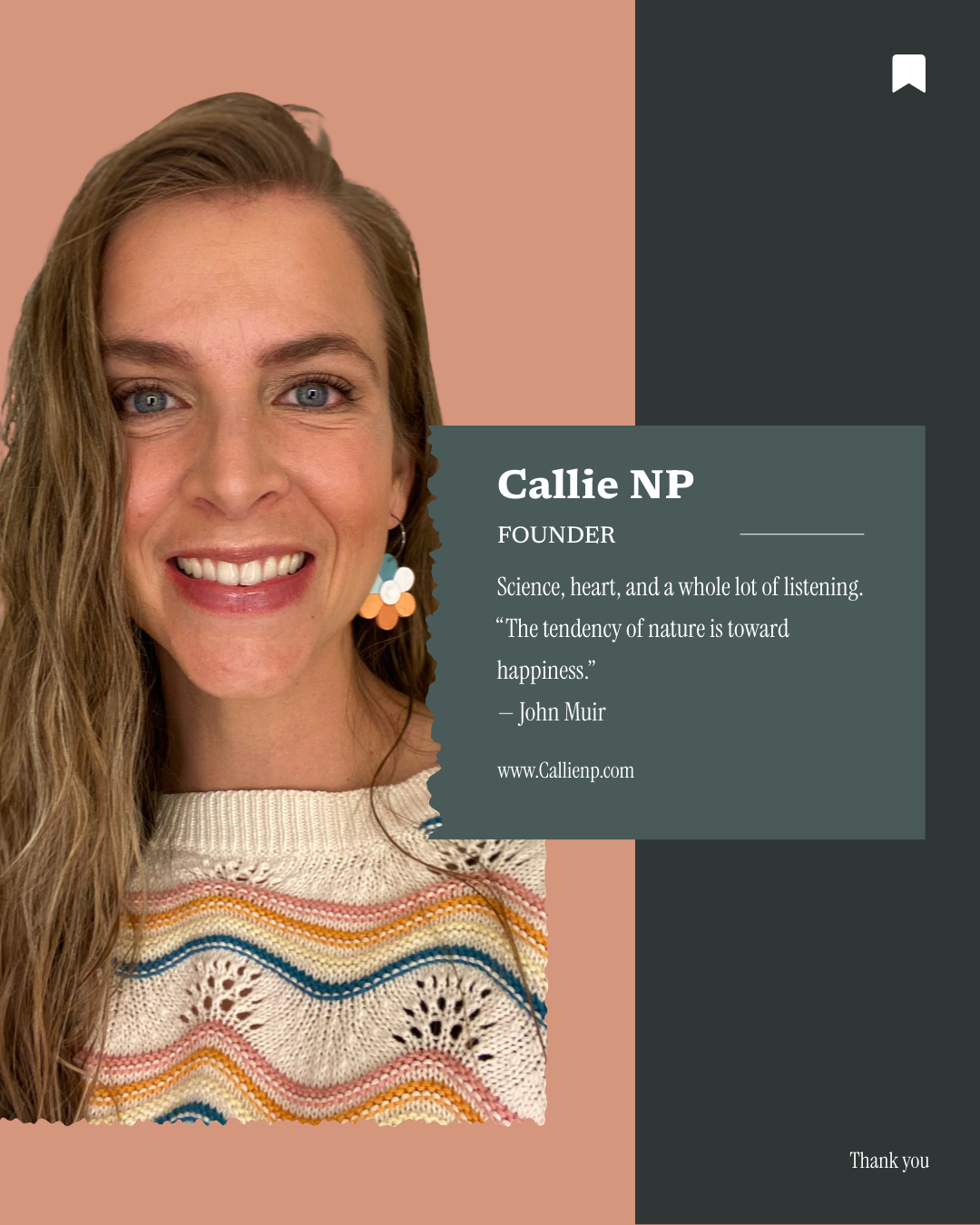
Our responsibility is not to control decisions for patients. Our responsibility is to educate, assess risk versus benefit, explore symptoms thoughtfully, and help patients make informed decisions about their own bodies.
That’s what shared decision-making is.
By the time many women seek care for perimenopause or menopause symptoms, they may already have seen multiple providers. They may have been told their symptoms are stress, aging, anxiety, or “just part of being a woman.”
So when a patient comes in with a long list of symptoms and questions, I try to remember this:
They’re not looking for permission.
They’re looking to be heard.
Not every symptom is caused by hormones. And part of our role is helping patients thoughtfully work through what may—or may not—be contributing to how they feel.
But every symptom deserves curiosity.
Every concern deserves respect.
And every patient deserves education that allows them to make informed decisions.
As providers, we bring clinical knowledge, evidence, experience, and guidance.
But patients bring something equally important: their lived experience.
Sometimes we’re the third or fourth provider someone has seen before finally feeling validated.
That’s not something I take lightly.
Being trusted with someone’s story is a privilege.
And helping patients make informed choices—not making choices for them—is one of the most important parts of this work.



Book Your Complimentary Exploration Meeting
Book your complimentary exploration meeting today to ask questions, feel heard, and explore what support could look like for you.